
Ice guide
Ice machines and ice types
This page explains which ice suits which job, how an ice machine works and what to look for when choosing one.
Seven ice types, each for its own job
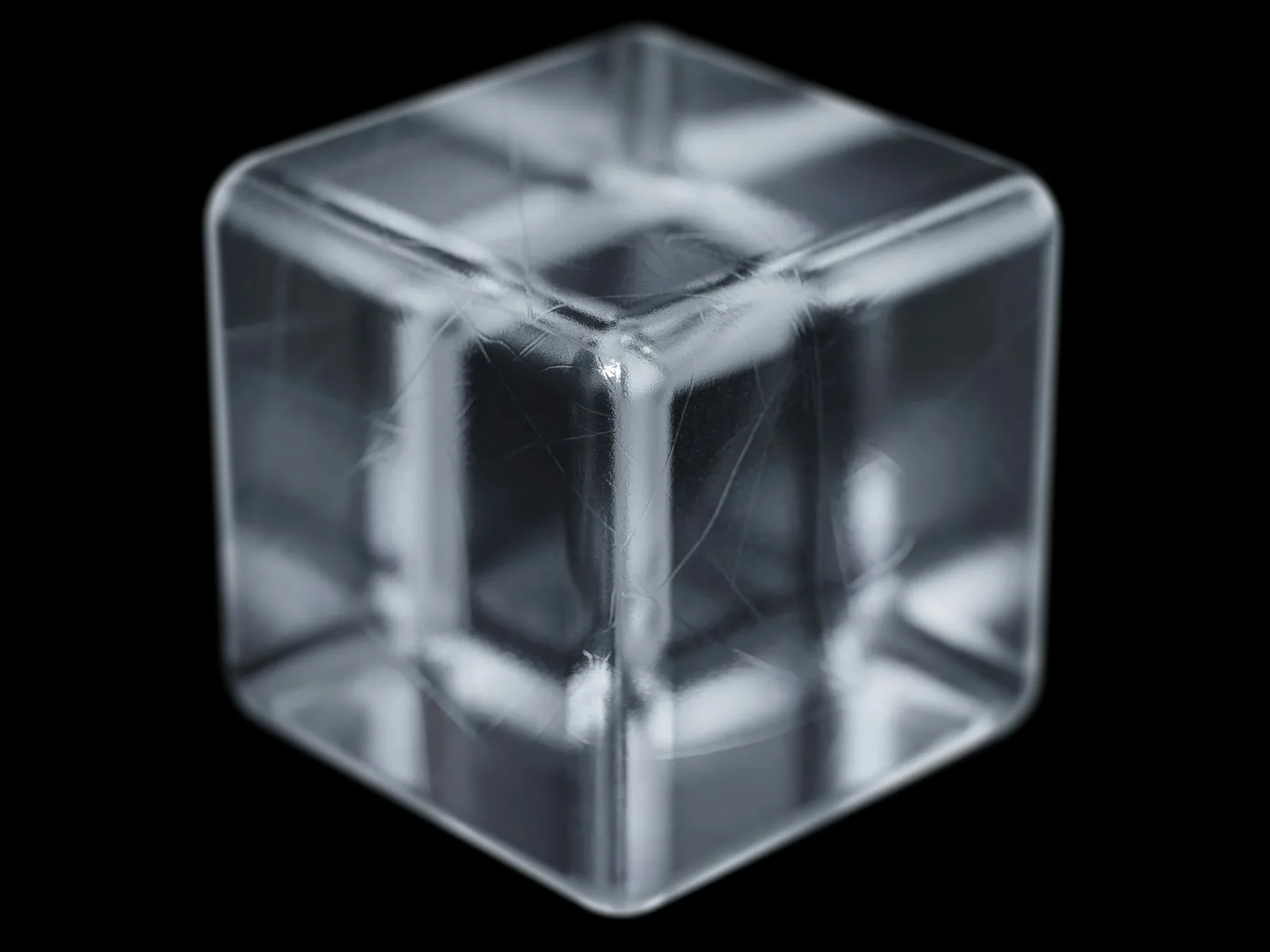
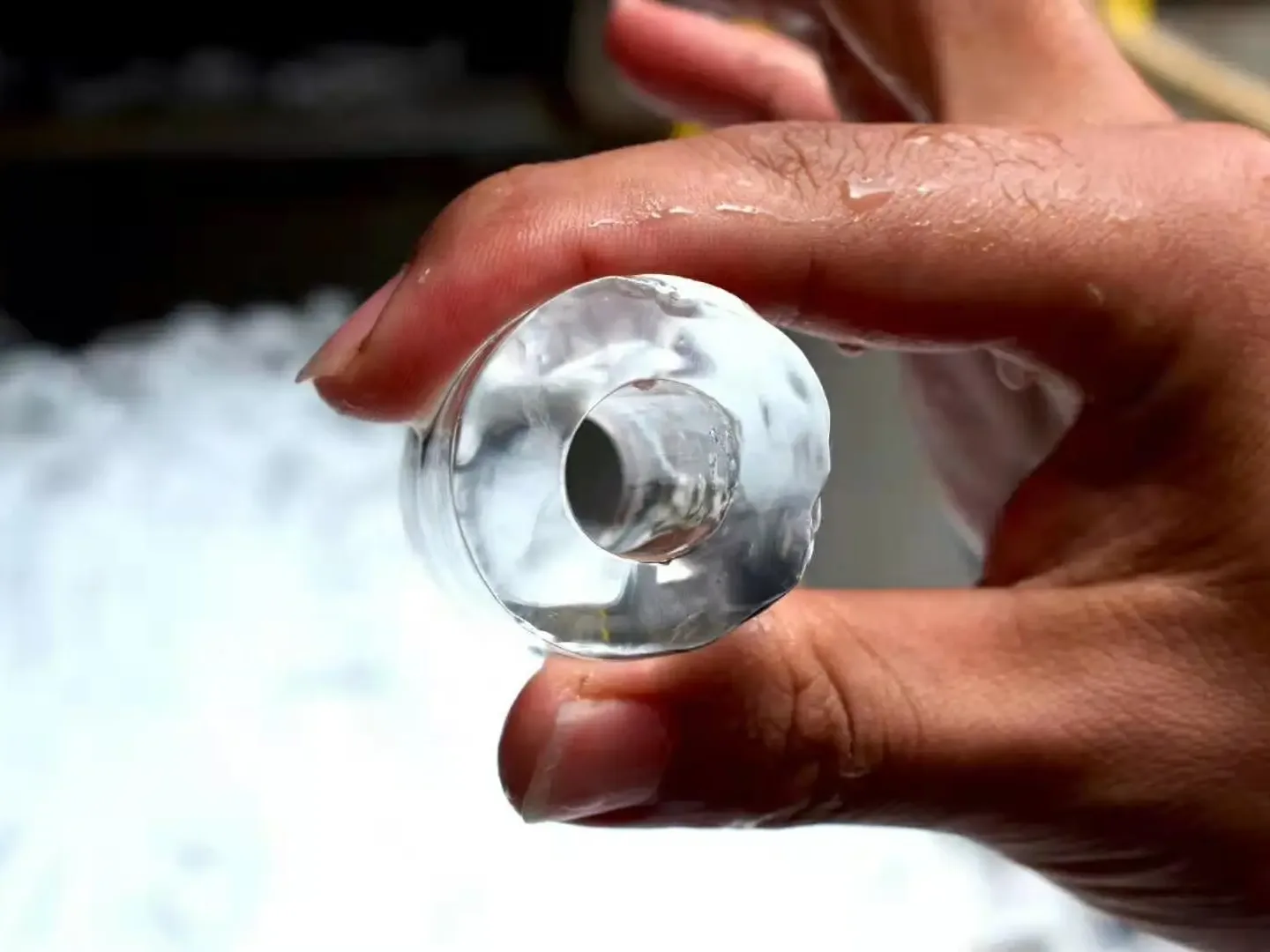
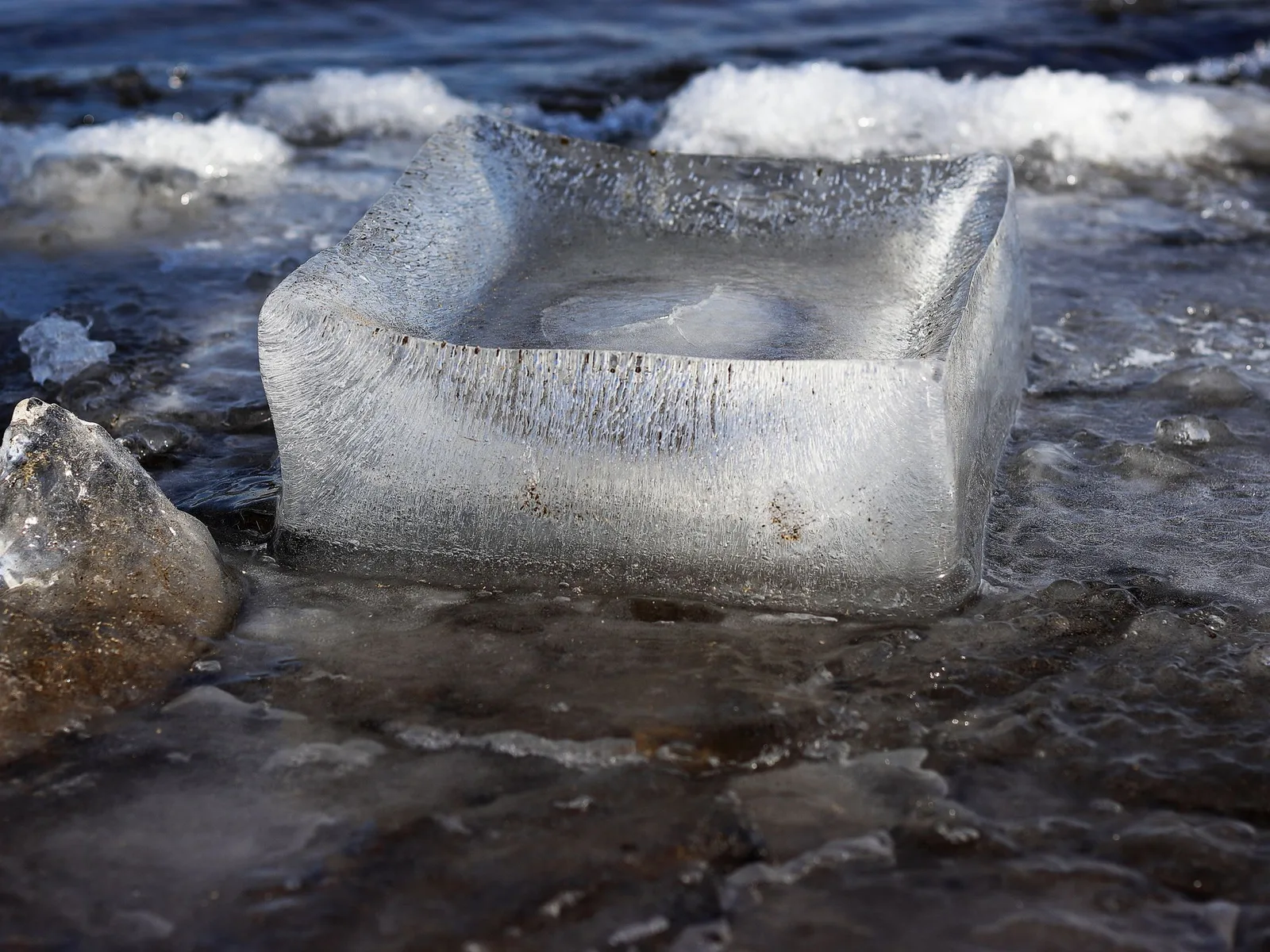
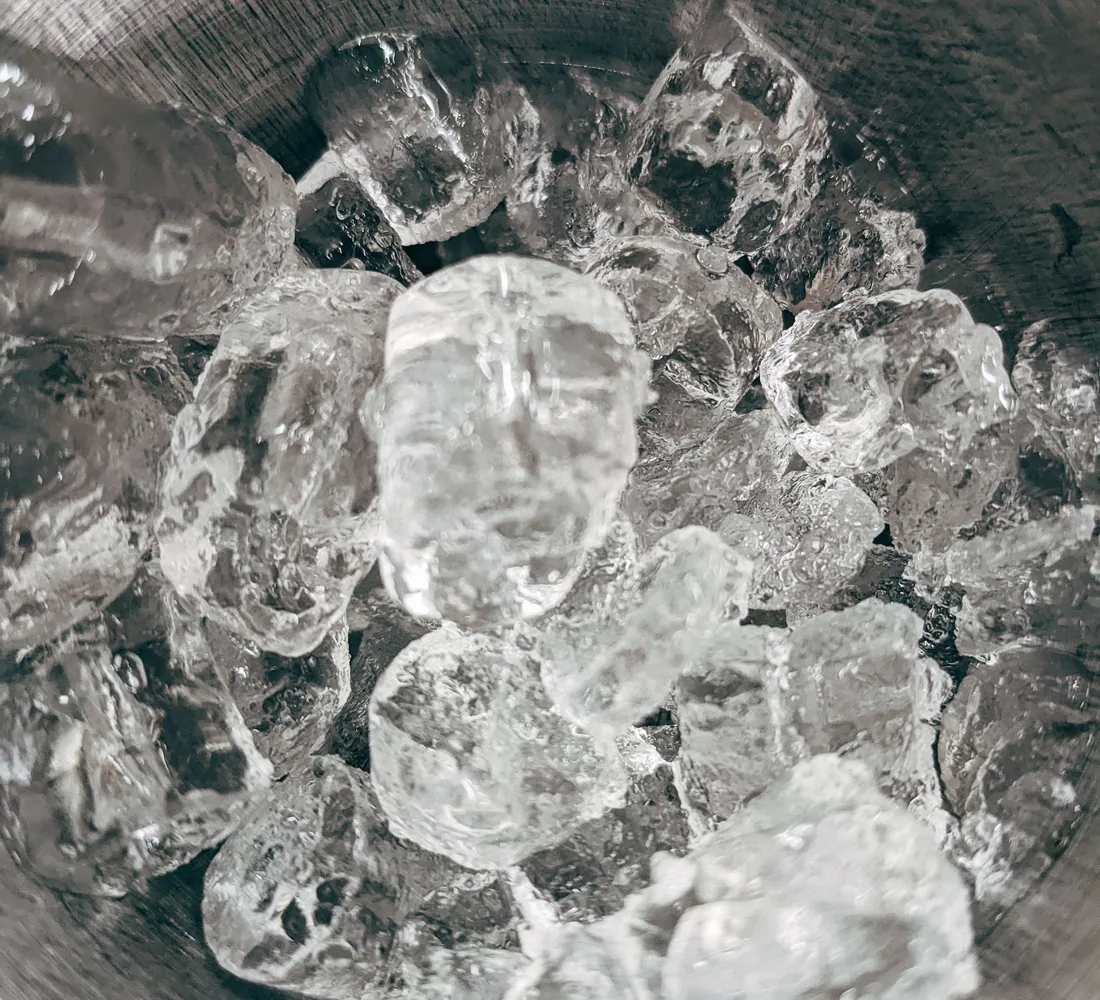
The shape of ice determines its melting rate, cooling power and presentation. Explore the most common ice types with photos.
1 / 7
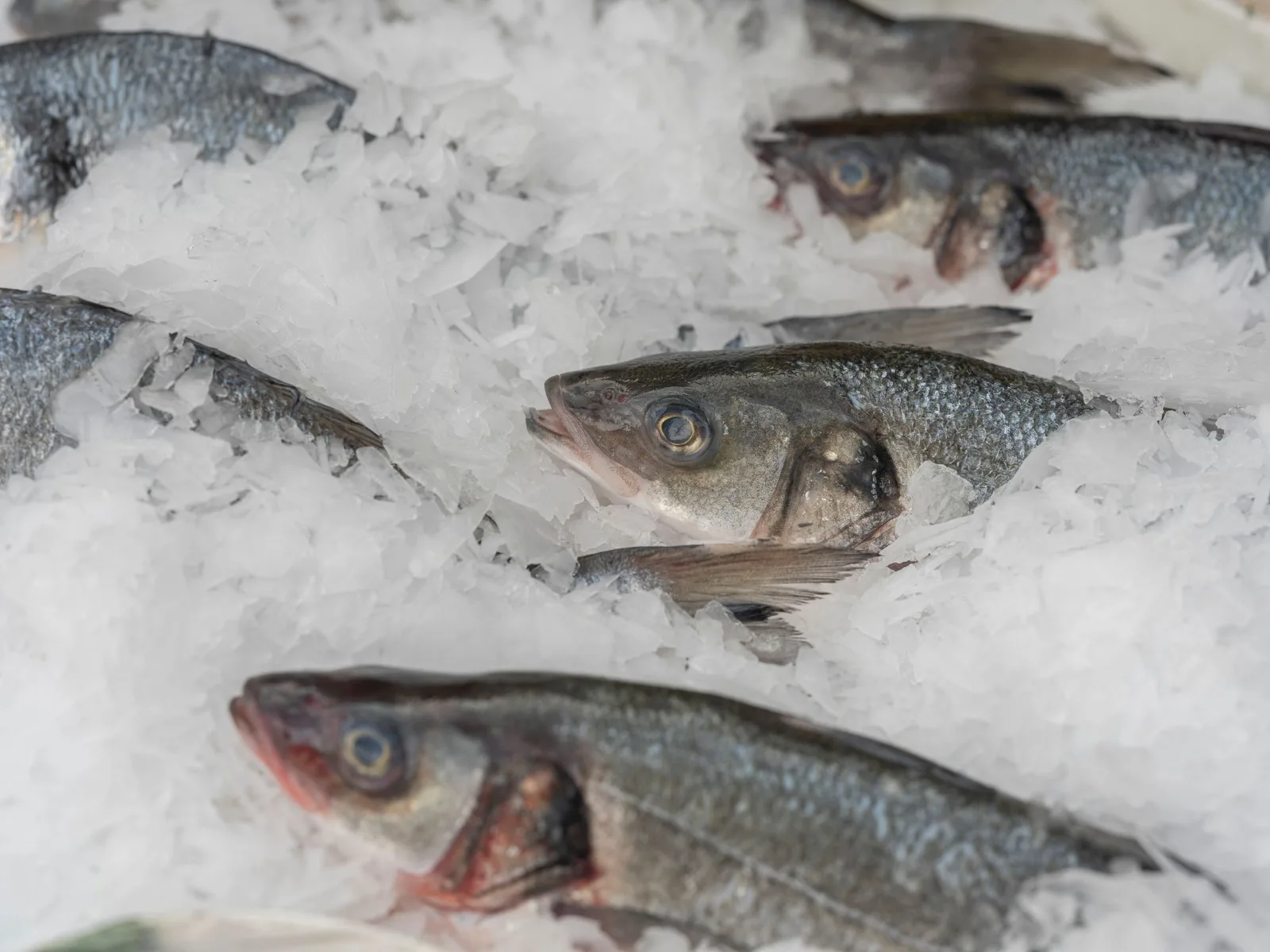
Flake ice
Thin, dry ice scraped from the surface of a rotating evaporator. It wraps around the product and cools fast thanks to its large contact surface. Used on fish counters, in food processing, dough kneading and concrete mixing.
Thickness
1.5 - 2.2 mm
Melting rate
Fast
Daily capacity
0.5 - 50 tons/day
How an ice machine makes ice
01
Water supply
Mains water enters the machine through a filter. The cleaner the water, the clearer the ice.
02
Refrigeration circuit
The compressor compresses the refrigerant, and the condenser rejects heat to air or water. The cooled refrigerant flows to the evaporator.
03
Freezing
Water freezes on the cold surface of the evaporator. The shape of that surface determines the ice type: flake, cube, tube or block.
04
Harvest and storage
The ice is scraped off or released with hot gas and drops into the bin. The machine stops when the bin is full.
Applications
Which industry uses which ice
Flake ice
Fishing
Wraps fish without bruising it and keeps it fresh on the counter and in crates.
Flake ice
Bakery
Added in place of water during kneading to stop the dough from warming up.
Flake ice
Food processing
Cools products fast on meat, poultry and vegetable processing lines.
Flake ice
Construction
Lowers the temperature of concrete mixes in hot weather.
Cube and gourmet ice
Hotels and restaurants
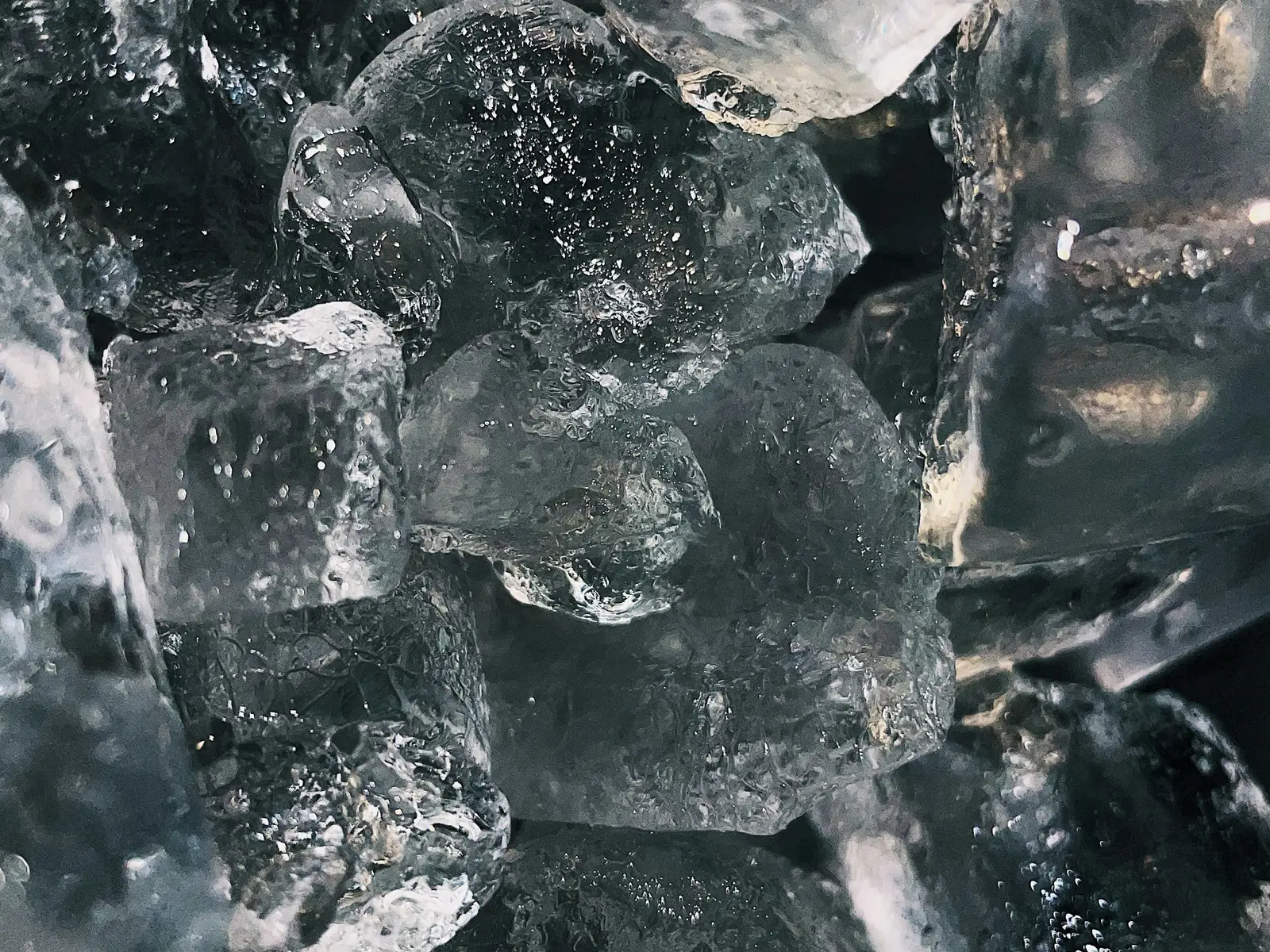
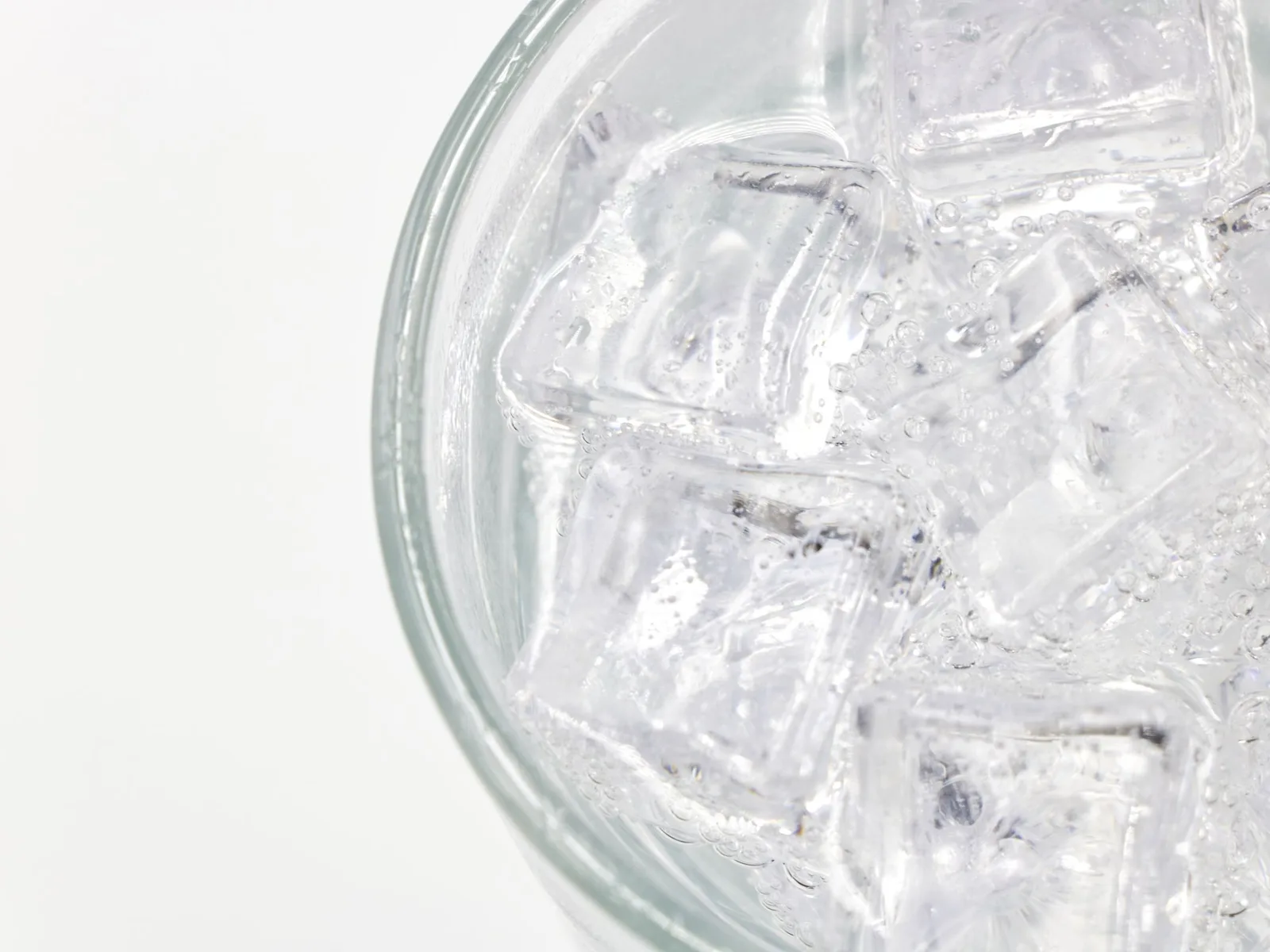
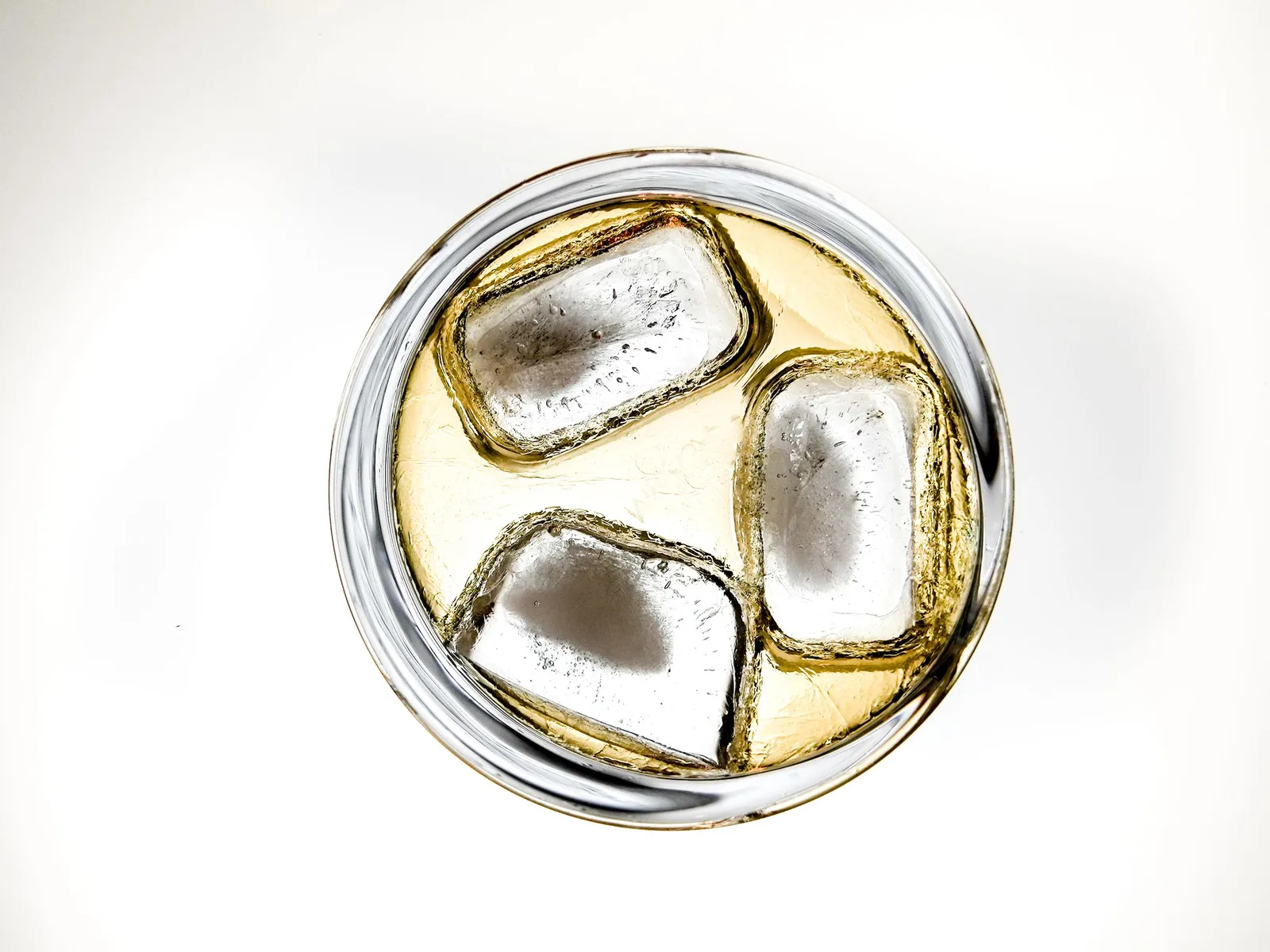
Clear, slow-melting cubes for the bar and table service.
Tube ice
Beverage filling
Flows freely on filling and cooling lines without clumping.
Tube ice
Packaged ice sales
Does not clump in the bag, so customers can use it easily.
Block ice
Logistics
Block ice melts slowly and keeps goods cold on long journeys.
What to consider when choosing a machine
The right machine produces as much ice as you need, in the form you need. Clarifying these five points before requesting a quote speeds things up.
Daily demand: Base it on your busiest day and add a margin of about 20 percent.
Ice type: Choose it according to your product and how you will use the ice.
Ambient temperature: In hot or enclosed spaces, a water-cooled condenser works more efficiently.
Water quality: With hard water, a filter and softener prevent scale build-up.
Storage: Plan how long you will store the ice and size the bin accordingly.
Questions about ice and ice machines
If your question is not answered here, call us or message us on WhatsApp.
Is flake ice the same as crushed ice?
No. Crushed ice is made by breaking cubes or blocks and has sharp edges. Flake ice is produced directly as thin flakes, so it does not scratch the product and cools faster.
Which ice melts the slowest?
Block ice. Its surface is small relative to its volume, so it melts the slowest, followed by cube and tube ice. Flake ice melts fastest, which is why it is used where rapid cooling is needed.
Should I choose air-cooled or water-cooled?
If the machine will stand in a cool, well-ventilated place, an air-cooled condenser is enough. If the space is hot or enclosed, a water-cooled condenser works more efficiently. We ask about your site conditions and recommend the right option.
How is an ice machine maintained?
The water filter is replaced regularly, the condenser is cleaned and scale is removed from the evaporator. How often depends on water hardness and how heavily the machine is used. Our service team draws up a maintenance plan for your machine.
What are the ice-contact parts made of?
The evaporator and bin, which touch water and ice, are made of stainless steel, so the ice is safe for food use.
Not sure which ice is right for you?
Tell us your application and daily demand, and we will choose the ice type and capacity together.